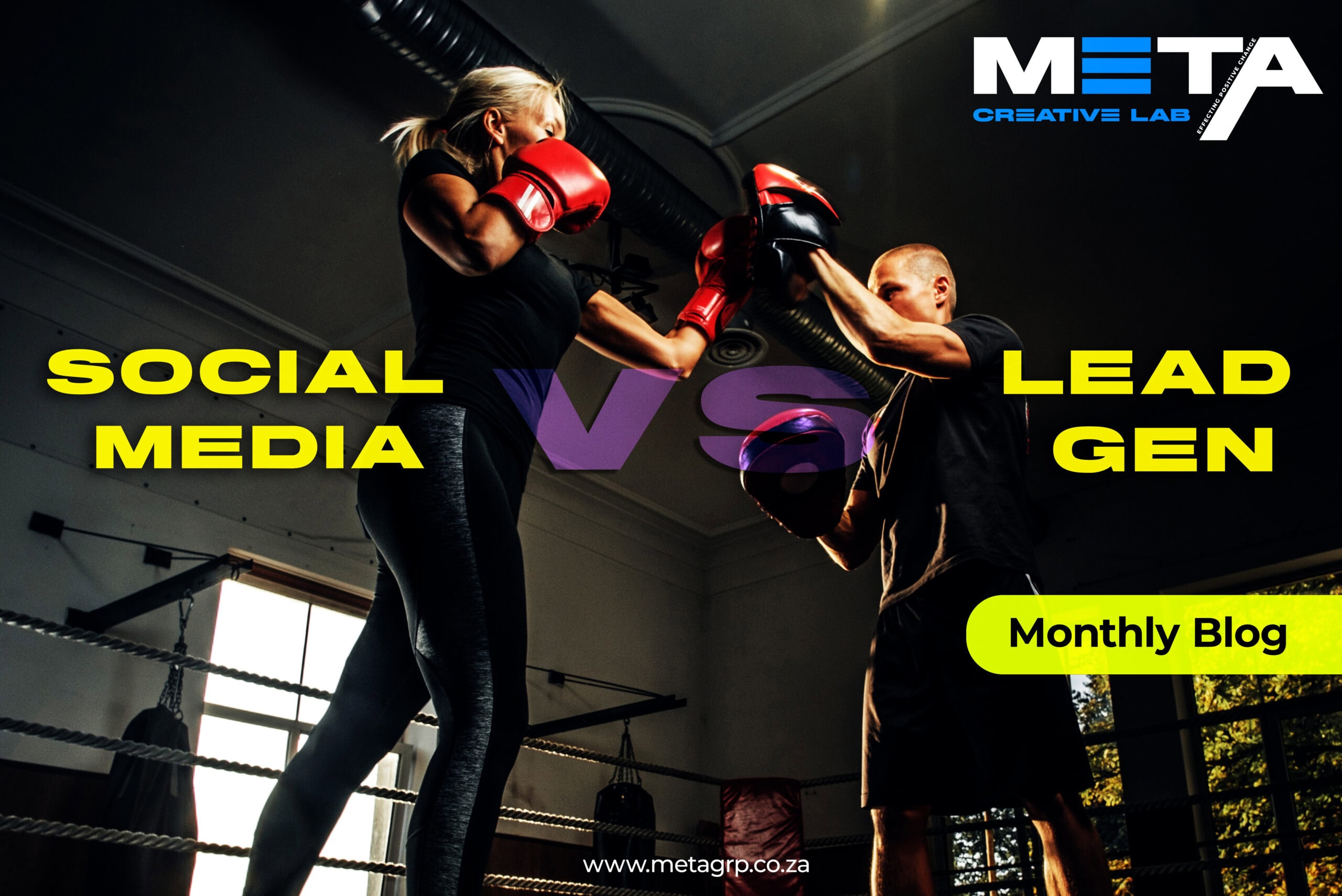
In today’s marketing world, businesses often find themselves grappling with how to balance social media efforts between organic growth and lead generation. While both are vital, they serve distinct purposes and require different strategies. As the Managing Director of Meta Creative Lab, Elkan Butler emphasizes, “Understanding the difference between organic social media and lead generation is the key to maximizing your return on investment.”
What Is Organic Social Media?
Organic social media refers to the unpaid activities you conduct on your platforms—everything from posting updates, sharing stories, engaging with followers, and joining conversations relevant to your industry. The primary goal is to build a community, foster relationships, and maintain brand visibility over time.
Organic social media is a long game. It’s about creating meaningful interactions and consistently showing up in your audience’s feed to keep your brand top-of-mind. But here’s the catch: organic reach is becoming increasingly limited, especially on platforms like Facebook and Instagram.
Luzandri Butler, Creative Director of Meta Creative Lab, points out, “While organic social media is essential for credibility and trust, it has its limitations when it comes to scalability. If you’re relying solely on organic growth, you’re likely missing out on significant opportunities to drive targeted leads and conversions.”
What Is Lead Generation?
Lead generation, on the other hand, is a more direct, conversion-focused approach. It involves creating campaigns specifically designed to attract potential customers who are ready to take action—whether that’s signing up for a newsletter, downloading an e-book, or booking a consultation. Paid social media advertising plays a huge role here.
Lead generation campaigns are strategic and data-driven. By targeting specific demographics, interests, and behaviors, you’re able to reach users who are more likely to be interested in your products or services. Unlike organic social media, which can be broad and unfiltered, lead generation focuses on quality over quantity.
When to Prioritize Each Approach
There’s no one-size-fits-all answer to which approach is better. Instead, it’s about knowing when to prioritize one over the other. For instance:
- Early-Stage Businesses: Organic social media is vital for building brand awareness, credibility, and an initial follower base.
- Growth-Focused Businesses: Once you’ve established a following, incorporating lead generation campaigns will help you scale by converting followers into paying customers.
- Seasonal Promotions or Events: During key times (e.g., product launches or sales), lead generation tactics should be at the forefront.
Elkan adds, “The most successful strategies are those that integrate both approaches, using organic efforts to nurture long-term relationships while simultaneously running lead generation campaigns to drive immediate results.”
The Takeaway
For businesses looking to thrive on social media, understanding the balance between organic growth and lead generation is crucial. While organic social media builds trust and community, lead generation directly drives sales and conversions. Integrating both ensures a well-rounded strategy that covers all stages of the customer journey.
Call to Action: Ready to elevate your social media strategy? At Meta Creative Lab, we specialize in creating tailored plans that blend organic growth with targeted lead generation to meet your unique business goals. Contact us today to get started.
Next Blog Topic: In the next blog, we’ll dive into the importance of high-quality content—photography, graphic design, videography, and creativity. After all, even the best strategy falls flat without visually compelling content.
0 Comments